

The Story Behind a Rare N.P.L. Dickota Goat Figurine
Every so often, a piece comes along that is more than just a collectible—it’s a window into history. One such example is this N.P.L. Dickota redware goat figurine, a small but powerful reminder of a movement that shaped life for farmers and communities in the early 20th century.
What Was the Nonpartisan League (N.P.L.)?
The Nonpartisan League (N.P.L.) was founded in 1915 by A.C. Townley in North Dakota. It was a political organization built around the idea that farmers and workers needed more control over their economic future. At the time, banks, railroads, and grain mill monopolies often dictated prices and limited opportunities for small farmers.
The N.P.L. pushed for bold reforms and succeeded in creating institutions that still exist today, such as the Bank of North Dakota and the North Dakota Mill & Elevator. The movement left a lasting mark on the state’s history, making any item associated with it an artifact worth preserving.
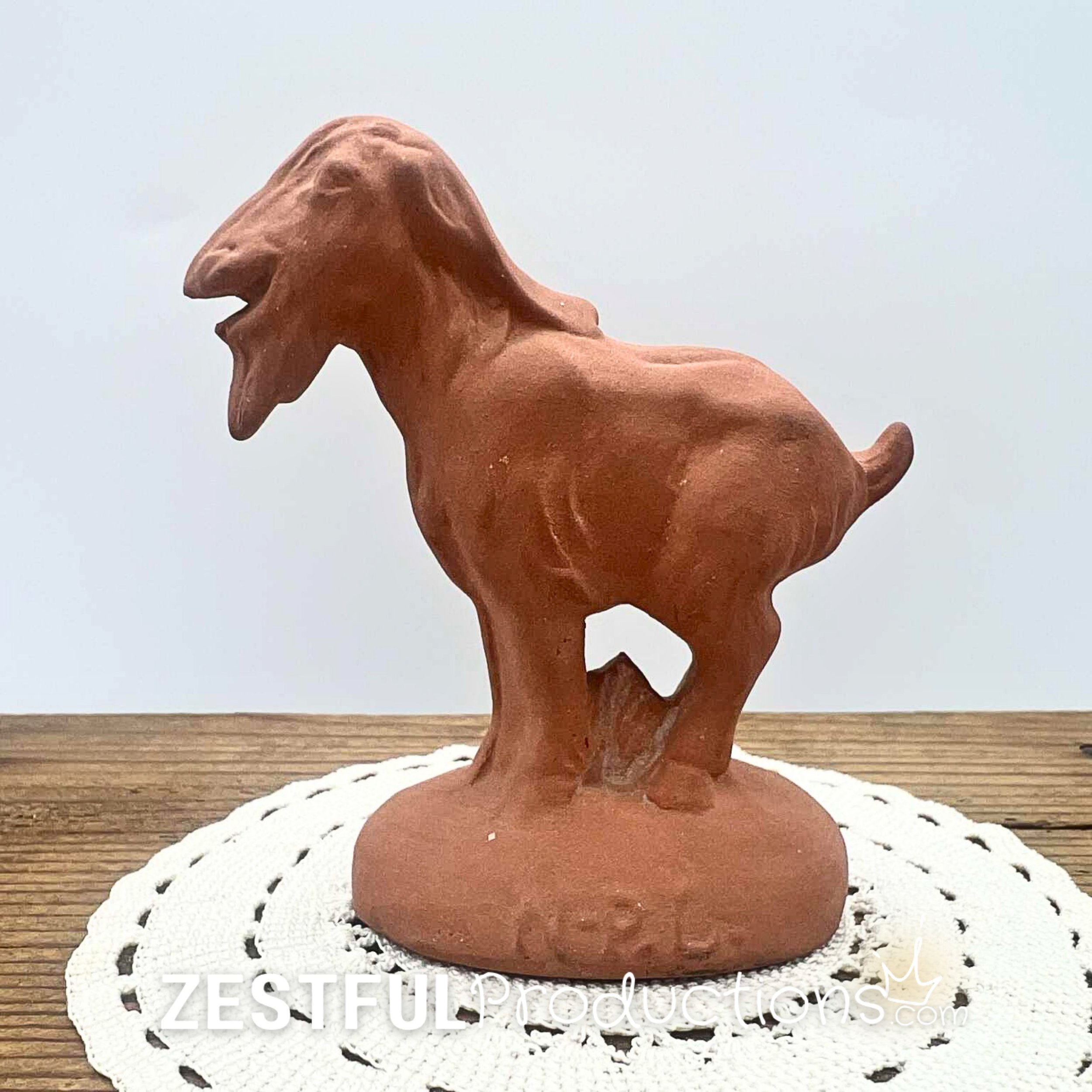
N.P.L. Dickota goat figurine
Why the Goat?
The goat became a symbol of determination and grit—character traits that defined the farmers who supported the League. Figurines like this one were produced in limited quantities as promotional or fundraising items, often made by regional potteries.
This particular piece is stamped “N.P.L.” on both sides and “Dickota” on the bottom, connecting it directly to the Dickota pottery works of Dickinson, North Dakota. Dickota was known for its redware and stoneware pieces, which were rustic, durable, and full of regional character.
Collectible Value
In 2016, this figurine was verbally appraised at around $500. While no formal documentation accompanies it, the rarity of N.P.L. memorabilia combined with the distinctive Dickota pottery mark makes it a highly desirable item.
Political memorabilia collectors, Americana enthusiasts, and pottery lovers all find value in pieces like this because they sit at the intersection of history, folk art, and cultural identity. Each surviving figurine tells a story of local resilience and political action during a transformative period in U.S. history.
Why It Matters Today
Beyond its collectible value, this N.P.L. goat figurine represents the ways everyday objects can reflect larger historical movements. It reminds us that history isn’t only found in textbooks or museums—it can be held in your hands, displayed on your shelf, and passed on as a conversation starter.
For North Dakotans, especially, an artifact like this is a connection to the legacy of the Nonpartisan League and the farmers who fought to make their voices heard. For collectors, it’s a rare chance to own a tangible piece of that story.
Final Thoughts
The N.P.L. Dickota redware goat figurine is more than pottery. It’s a symbol of a movement, a collectible with deep roots in American political history, and a reminder of how much power everyday people once held—and still can.
If you’re passionate about political history, vintage Americana, or North Dakota heritage, this is the kind of artifact that doesn’t come around often. Its scarcity, historical significance, and folk-art charm make it a true treasure for any serious collection.
Explore More History in the Everyday
Artifacts like this N.P.L. Dickota goat figurine remind us that history isn’t just in museums—it lives on through the objects people created, used, and cherished. Each collectible tells a story, and every story deserves to be remembered.
If you’re inspired by this piece of political Americana, take a moment to browse our collection of vintage, antique, and historical finds. From folk-art pottery to rare memorabilia, each item has a story waiting to be discovered.
And if you love learning about the history behind the pieces, be sure to follow along on our blog and social media for more stories that bring the past to life.
